
Health Comes From The Diet, So Eat The Equivalent Of Walking More Than 4000 Steps A Day
May 18, 2023
It is now well-established that walking is good for the body. Studies show that for people aged 60 and older, the number of steps walked per day associated with a reduced risk of death is steadily between 6,000 and 8,000, while for the adult population under 60, the number of steps walked per day associated with a reduced risk of death is steadily between 8,000 and 10,000.
A recent study published in the European Journal of Preventive Cardiology suggests that diet plays a critical role in physical health and resilience. The study found that physical fitness and cardiorespiratory fitness were significantly improved in middle-aged adults by making healthy dietary choices and walking.
In particular, improvements in physical health from a better diet were also observed in subjects who ate a healthier diet up to an additional 4,000 steps per day!

The U.S. study included 2,380 adults in the Framingham Heart Study, and the average age of the subjects was 54 years, 54 percent of whom were women. Subjects underwent a cycling human maximal cardiopulmonary stress test to measure peak VO2, the gold standard for assessing fitness levels, which indicates the amount of oxygen used during the highest intensity exercise.
Subjects also completed the Harvard Semiquantitative Food Frequency Questionnaire to assess their intake of 126 dietary items over the past year, ranging from none or less than once per month to six or more times per day. Diet quality was assessed by using the Alternative Healthy Eating Index (AHEI; 0 to 110) and the Mediterranean Diet Score (MDS; 0 to 25). These indices are both associated with heart health, with high scores suggesting better diet quality, such as consuming vegetables, fruits, whole grains, nuts, legumes, fish, and healthy fats, and limiting red meat and alcohol intake.
Subjects had mean AHEI and MDS scores of 66.7 and 12.4, respectively, and a 13-point increase in AHEI and a 4.7-point increase in MDS were associated with a 5.2 percent and 4.5 percent increase in peak VO2, respectively, compared to the mean scores.
The researchers noted that in middle-aged adults, healthy eating patterns remained strongly and positively associated with physical health even after habitual activity levels were taken into account. This relationship was similar between women and men and was more pronounced among those younger than 54 years old than older adults.
The researchers further analyzed the potential mechanisms between diet and physical health, exploring the relationship between diet quality, fitness levels, and metabolites. Metabolites are substances that are produced during digestion and released into the bloodstream during exercise. The researchers measured 201 metabolites (e.g., amino acids) in blood samples from 1,154 subjects. After correction, 24 metabolites were associated with poor diet and health or good diet and health. These metabolite data suggest that a healthier diet is associated with a healthier metabolism, which may be one of the possible ways it promotes better physical health and exercise capacity.

First, plant-based foods are the main focus. This dietary pattern emphasizes vegetables, fruits, legumes, nuts, whole grains, olive oil, and spices at every meal;
To make people eat healthier, the Chinese Nutrition Society has released the "Dietary Guidelines for Chinese Residents (2022)", which for the first time proposes the "Eastern Dietary Pattern". Experts have analyzed and summarized the dietary patterns and health conditions of residents in different regions of China, and found that residents in the southeast coastal area (Zhejiang, Shanghai, Jiangsu, Fujian, and Guangdong) have lower incidence and mortality rates of hypertension and cardiovascular diseases and higher life expectancy. Therefore, we propose the "Oriental Healthy Diet Model", which is represented by the diet model of the southeast coastal area. Its main features are light and less salt, diverse foods, abundant vegetables and fruits, soybean products, fish and shrimp, and dairy products, and a high level of physical activity.
The Dietary Guidelines for Chinese Residents (2022) selects eight basic guidelines that must be followed as principles for a rational diet for healthy people over 2 years of age:
1. Food variety, a reasonable mix
Adhere to a balanced dietary pattern with cereals as the main ingredient. Daily meals should include cereals and potatoes, vegetables and fruits, livestock, poultry, fish, eggs and milk, and legumes. Consume an average of more than 12 kinds of food per day, more than 25 kinds per week, in reasonable combinations. Consume 200~300g of cereals per day, including 50~150g of whole grains and mixed legumes; 50~100g of potatoes.
2. Eat and move for a healthy weight
People of all ages should be physically active every day to maintain a healthy weight. Do not eat too much and maintain energy balance. Adhere to a physical activity routine with at least 5 days of moderate-intensity physical activity per week, accumulating 150 minutes or more; active physical activity is best with 6,000 steps per day. Encourage appropriate high-intensity aerobic exercise and strengthen resistance exercise, 2 to 3 days per week. Reduce sedentary time and get up and move every hour.
3. Eat more fruits and vegetables, dairy, whole grains, and soy
Vegetables and fruits, whole grains, and dairy products are important components of a balanced diet. Eat vegetables at meals, and ensure daily intake of not less than 300g of fresh vegetables, dark vegetables should account for 1/2. Eat fruits every day, and ensure a daily intake of 200~350g of fresh fruits, fruit juice should not replace fresh fruits. Eat a variety of dairy products, the intake is equivalent to more than 300ml of liquid milk per day. Eat whole grains and soy products regularly, and eat nuts in moderation.

4. Eat fish, poultry, eggs, and lean meat in moderation
Fish, poultry, eggs, and lean meat should be consumed in moderation, averaging 120~200g per day, preferably 2 times a week or 300~500g of fish, 300~350g of eggs, and 300~500g of livestock and poultry meat. Eggs are rich in nutrients. Eat eggs without abandoning the yolk. Give preference to fish, eat less fatty meat, and smoke and cured meat products.
5. less salt and less oil, control sugar, and limit alcohol
Develop a light diet and eat less salt and fried foods. Adults should consume no more than 5g of salt and 25-30g of cooking oil per day, and control the intake of added sugar to no more than 50g per day, preferably below 25g. The daily intake of trans fatty acids should not exceed 2 g. No or less sugary drinks. Children and adolescents, pregnant women, lactating mothers, and people with chronic diseases should not drink alcohol. Adults who drink alcohol should consume no more than 15g of alcohol a day.
6. Eat regularly and drink enough water
Reasonably arrange three meals a day, with regular rationing and no missed meals, and eat breakfast every day. Eat regular meals, eat moderately, do not overeat, do not be picky about food, and do not over-eat. Drink a sufficient amount of water, a small amount many times. In mild climates, adult men drink 1,700ml of water per day and adult women drink 1,500ml of water per day at low physical activity levels, and it is recommended to drink plain water or tea, drink less or no sugary drinks, and not use drinks instead of plain water.
7. will cook will choose, will read labels
Recognize foods and choose fresh, nutrient-dense foods. Learn to read food labels and choose prepackaged foods wisely. Learn to cook, pass on traditional food, and enjoy the natural flavors of food. Eat out, not forgetting moderation and balance.

8. Share meals with chopsticks to eliminate waste
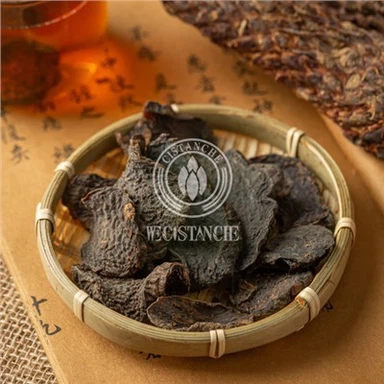
Cistanche is an herb that has been used in traditional Chinese medicine for centuries. It is believed to have a range of therapeutic benefits, including anti-inflammatory, antioxidant, and immunomodulatory properties. Research has shown that Cistanche may be effective in managing several health conditions.
Cistanche may also have cognitive-enhancing effects. One study found that supplementation with Cistanche extract improved cognitive function in elderly individuals with mild cognitive impairment.